
Practical heat-styling protection for smooth, healthy hair
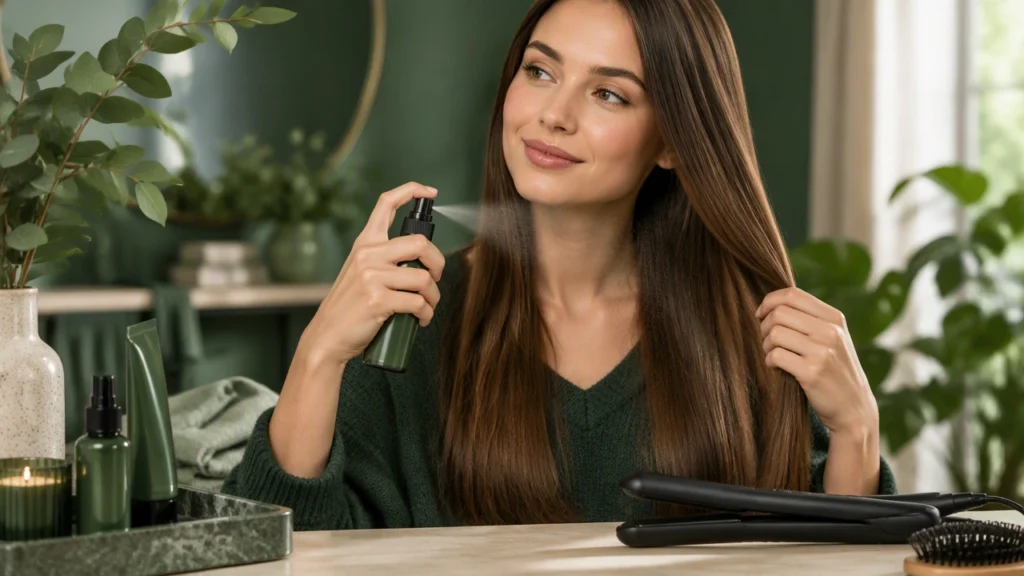
Heat tools can create polished, long-lasting styles, but they also remove moisture, weaken the hair cuticle, and increase the risk of breakage and frizz. The goal is not to avoid heat altogether, but to use it with more control. In this guide to beauty craft and everyday care, you will find practical habits that reduce stress on the hair while keeping it smooth, soft, and styled.
Understanding how heat affects the hair helps you make better choices. When a flat iron, curling wand, or blow dryer touches the strand, it pushes water out of the cortex and can soften the keratin structure. If that happens too often or at too high a temperature, the cuticle stays raised, porosity rises, and hair looks dull and feels rough. Protection starts before you ever switch on a tool and continues through how you finish and care for your style afterward.
Prepare hair so heat does less damage
Start with hair that is mostly dry if you are using a hot iron. Pressing moisture-rich hair with a flat iron or curling wand can create steam inside the strand, which leads to bubbles, weak spots, and sudden frizz. A blow dryer with a concentrator is fine for controlled drying, but avoid passing a hot iron over soaking wet hair.
Use a lightweight heat protectant on clean, towel-dried hair. Look for formulas with cyclomethicone, dimethicone, or amodimethicone, which create a thin film that slows moisture loss. If your hair is fine, choose a spray or lotion that does not leave residue. If your hair is thick or coarse, a cream can add slip and control. Apply from mid-lengths to ends first, then lightly through the roots if needed. Comb through to distribute evenly so no section is unprotected.
Keep hair clean but not stripped. Product buildup can conduct heat unevenly, while over-washed hair can feel dry and static-prone. A gentle shampoo and a smoothing conditioner help the cuticle lie flat before styling, which makes the hair easier to work with at lower temperatures.
Choose tools and settings with care
Not all tools heat the same way. Ceramic and tourmaline plates distribute heat more evenly than basic metal plates, reducing hot spots. Titanium heats faster and holds temperature well, which can be useful for thick hair, but it requires careful control on fine or chemically treated hair. A blow dryer with multiple heat and speed settings lets you start warm and finish with cool air to set the cuticle.
Temperature matters more than most people realize. Fine, color-treated, or naturally thin hair often looks and feels best at lower settings, while very thick or coarse hair may need slightly higher heat. The key is to find the lowest temperature that still allows you to complete a section in one or two passes. More passes mean more damage, so a higher setting used once can be gentler than a low setting used repeatedly.
Work in small, clean sections. Tangles force you to slow down and press harder, which increases friction and stress. A fine-tooth comb or a heat-resistant brush can help guide the hair through the tool smoothly. Keep the tool moving at a steady pace, and avoid clamping too tightly.
Techniques that keep hair smooth without extra heat
Pre-drying with a microfiber towel or cotton T-shirt reduces frizz because it absorbs water without roughening the cuticle. Before blow drying, apply a small amount of leave-in conditioner or smoothing cream to the ends, which are the oldest and most porous part of the hair. Use a nozzle to direct airflow down the shaft, and dry in the direction you want the style to fall.
For a smoother finish, finish each section with a brief cool shot. Cold air helps the cuticle settle, which increases shine and reduces flyaways. If you want waves or curls, allow the curl to cool in your hand for a few seconds before releasing it. That pause helps the shape last longer without extra passes.
On second-day hair, refresh with a light mist of water or a gentle styling spray instead of restyling from scratch. Dry shampoo can absorb oil at the roots, while a tiny amount of serum on the ends restores softness. This approach preserves the style you already created and avoids unnecessary heat exposure.
Smart habits that add up over time
Consistency beats intensity. Try to limit heavy heat sessions to a few times per week and give your hair recovery days in between. On low-heat days, experiment with heatless methods such as braids, twists, rollers, or pin curls. These techniques create texture and movement without direct heat, and they work especially well on damp hair left to air dry.
Keep tools clean. Residue on plates or inside a dryer vent can cause uneven heating and snagging. Wipe plates after they cool, and clean the lint filter regularly to maintain airflow. Replace worn tools when they stop heating evenly, since hot spots increase the chance of局部 damage even when you follow best practices.
Trim ends on a regular schedule. Split ends travel upward, so a small trim now prevents bigger repairs later. A trim also makes styling easier because smooth ends reflect light better and require fewer passes to look polished.
Post-styling care to lock in smoothness
After styling, seal the cuticle with a very small amount of lightweight oil or shine serum, focusing on the ends. Avoid the scalp to prevent a greasy look. If you live in a humid climate, a anti-humidity spray or a light finishing cream can help keep the cuticle flat and reduce frizz throughout the day.
At night, protect your style with a satin or silk pillowcase, or wrap the hair loosely with a scarf. This reduces friction and helps your blowout or curls last longer. When it is time to wash, use lukewarm water and a mild shampoo, then condition from mid-lengths to ends. A weekly mask or deep conditioner adds back moisture lost during heat styling, restoring softness and elasticity.
When to see a professional
If your hair feels gummy when wet, snaps easily, or loses its shape quickly, it may need professional care. A stylist can assess porosity, recommend treatments such as bond-building or protein masks, and adjust your routine based on hair type and history. Professional guidance is especially helpful if you color or chemically treat your hair, because those processes change how hair responds to heat.
Protecting hair from heat is about preparation, smart tool choices, and gentle finishing. With a few steady habits, you can keep your hair smooth and styled while reducing dryness, breakage, and frizz over time.