Scalp Care Habits That Support Stronger, Healthier Hair Growth From the Roots

Healthy hair growth begins where the strand is formed: at the follicle beneath the scalp’s surface. A thoughtful scalp care routine for healthy hair growth focuses on keeping the scalp clean, balanced, and comfortable so hair can emerge without unnecessary buildup, irritation, or breakage. This kind of everyday care is part beauty craft and part practical maintenance, combining gentle habits with consistent observation.
The scalp is living skin. It produces sebum, sheds cells, encounters sweat and styling products, and responds to friction and stress. When that environment becomes overly oily, flaky, tight, or inflamed, hair may look dull and feel weaker at the root. No topical habit can change genetics or instantly create thicker hair, but a calm, well-designed routine can support the conditions in which strong growth is more likely.
Understand what the scalp needs
A healthy scalp usually feels comfortable and looks relatively calm. Some visible flakes can be normal, especially when they are small and not accompanied by itching, redness, or soreness. Excessive oil, persistent flakes, odor, pain, or hair loss that appears suddenly are reasons to consult a healthcare professional rather than experiment with stronger home treatments.
Scalp needs change with weather, activity, hair texture, and product use. Fine hair may look oily quickly, while coily or curly hair may retain dryness longer. Sweat, helmets, hats, and intense workouts can add buildup. Knowing your starting point helps you avoid both under-cleansing and over-washing.
Build a simple scalp care routine
1. Cleanse with intention
Shampoo is the foundation of scalp care. Choose a gentle formula that removes oil and residue without leaving the scalp feeling stripped. If you use heavy oils, dry shampoo, sunscreen, or styling products, consider a clarifying wash occasionally rather than at every shower.
Wash at a frequency that keeps your scalp comfortable. Many people do well washing two or three times per week, but the right schedule depends on oil production, exercise, and hair type. During cleansing, apply shampoo to the scalp rather than only the lengths. Use your fingertips, not fingernails, and spend a minute massaging the product across the crown, temples, nape, and behind the ears.
2. Exfoliate gently and rarely
Scalp exfoliation can help remove stubborn residue and loose flakes, but more is not better. A soft scalp scrub or a shampoo with fine exfoliating particles may be used once a week or every other week. Skip exfoliation if the scalp is cracked, sunburned, painfully itchy, or freshly irritated.
Avoid abrasive brushes, rough DIY scrubs, and vigorous scratching. The goal is light movement and product distribution, not friction for its own sake. If flakes persist, a medicated dandruff shampoo may be appropriate; follow the product directions and check with a pharmacist or clinician if symptoms continue.
3. Massage without tension
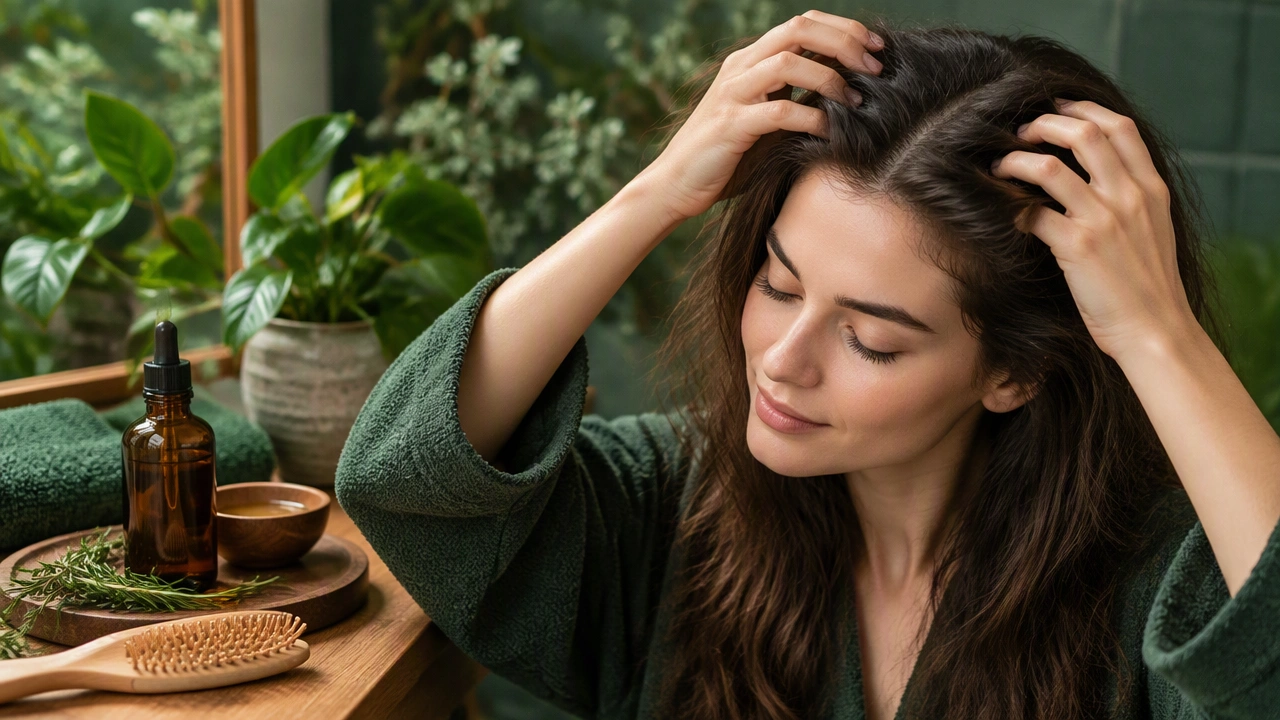
A brief scalp massage can make cleansing more thorough and add a moment of relaxation. Use the pads of your fingers to make small circles across the scalp for one to two minutes. You can do this with shampoo, with a light oil, or on a dry scalp before washing.
Keep pressure moderate. Pulling hair or pressing too hard can cause tenderness and breakage. A soft silicone scalp brush may help if you prefer a tool, but it should glide rather than scrape. Consistency matters more than force.
4. Condition strategically
Conditioner protects the hair shaft and makes detangling easier, but it is not a scalp treatment. Apply conditioner from the mid-lengths to the ends, then rinse thoroughly. If your scalp becomes oily quickly, keep rich masks and oils away from the roots unless a professional has recommended a specific approach.
After washing, blot hair with a microfiber towel instead of rubbing vigorously. Use a wide-tooth comb to detangle starting at the ends. Gentle handling reduces breakage, which helps hair retain length even when growth at the follicle is unchanged.
Support growth with everyday habits
- Protect the scalp from heat and sun. Use a heat-protectant spray before styling, keep hot tools at the lowest effective temperature, and wear a hat or use sunscreen on exposed parts when outdoors.
- Limit tight styles. High ponytails, tight braids, and heavy extensions can pull at the roots. Alternate styles and give the scalp regular rest periods.
- Keep tools clean. Wash combs, brushes, and reusable hair accessories regularly to remove oil, skin cells, and product residue.
- Manage sweat. Rinse or cleanse after intense workouts when possible. Leaving sweat and dry shampoo on the scalp for long periods can contribute to buildup and odor.
- Stay hydrated and eat adequately. Hair growth depends on overall nutrition and hydration. A balanced diet with enough protein, iron, and essential fats supports normal hair function more reliably than topical miracles.
Be patient and observe
Hair grows in cycles, and visible changes take time. Track how your scalp feels after washing, whether itching decreases, and if shedding patterns change. Photographs taken in the same light every few weeks can be more useful than daily mirror checks.
Avoid chasing every trend at once. Introduce one new product or habit at a time so you can notice its effect. If you experience sudden shedding, bald patches, bleeding, persistent pain, or severe dandruff, seek professional guidance. Scalp health is connected to overall health, and a calm, consistent routine is the best starting point for stronger, healthier-looking hair from the roots up.