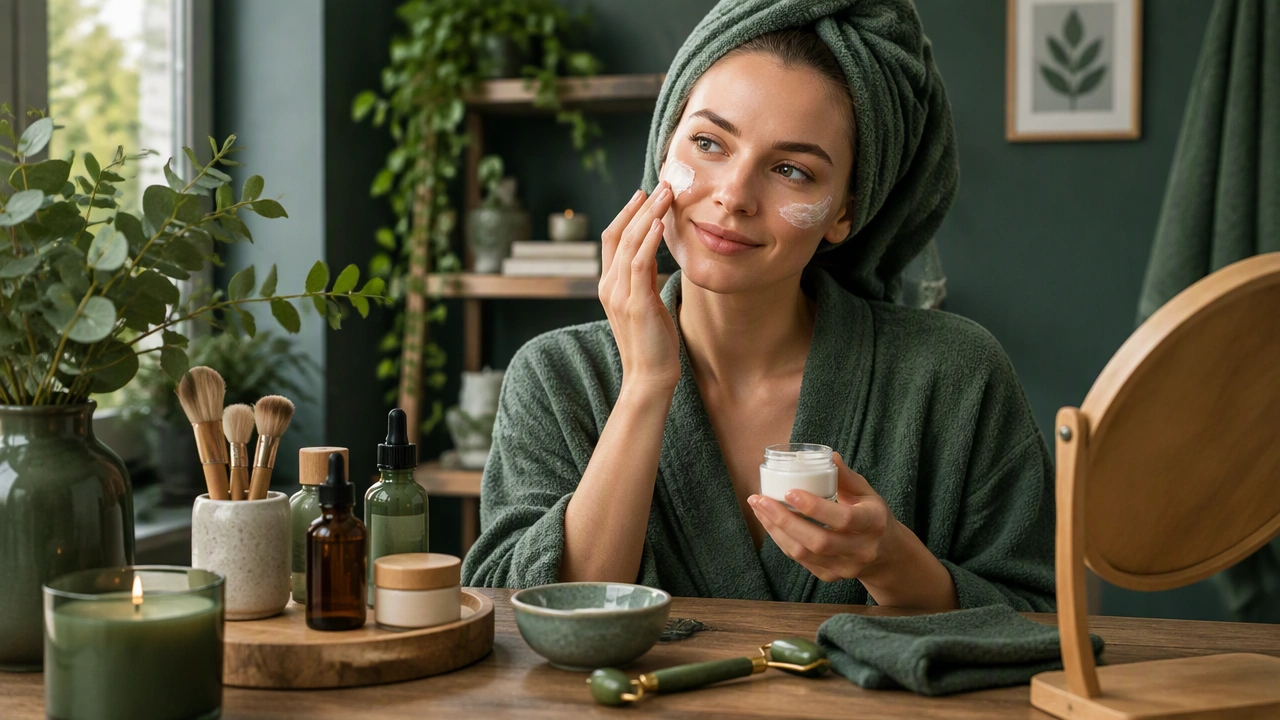
Beauty Craft: A Complete Beginner’s Guide to Everyday Care
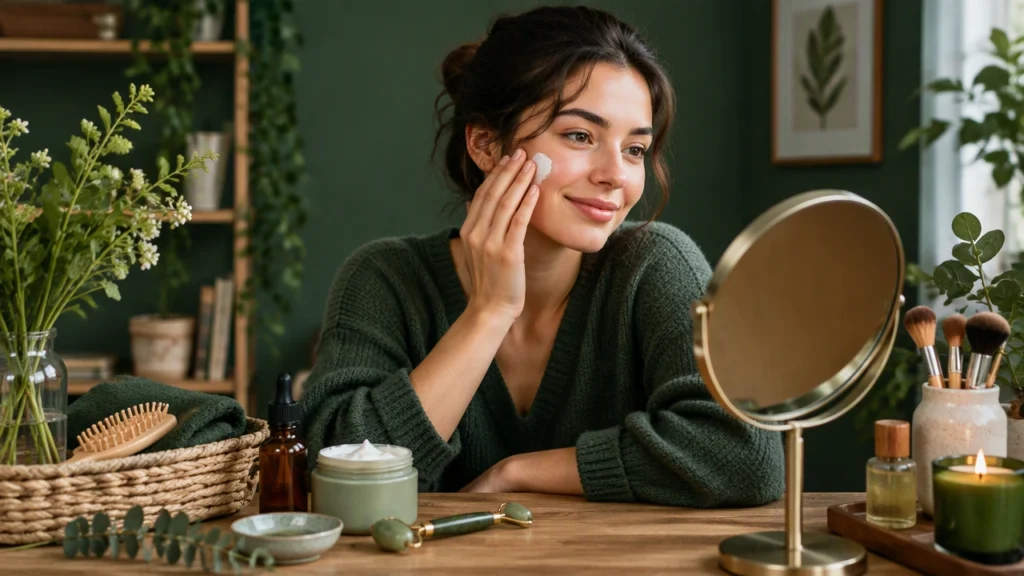
Beauty craft is the practice of caring for yourself with attention, skill, and a sense of personal expression. It treats everyday routines as more than a list of products or steps. Instead, it brings together observation, technique, and creativity so that skin care, grooming, and adornment become a grounded part of daily life. This guide explains what is beauty craft, why it works as a holistic practice, and how a beginner can begin without buying an elaborate kit.
What Beauty Craft Means
At its simplest, beauty craft is the human skill of caring for appearance and wellbeing in a deliberate way. The word craft points to learned practice: knowing how a product feels, how a tool moves, and how small adjustments change a result. The word beauty gives that practice its purpose, which is not perfection but a healthy, expressive relationship with your own face, hair, skin, and body.
A holistic approach connects these parts. Skin care is influenced by sleep, stress, food, weather, and the products you use. Hair care depends on texture, habits, and the condition of the scalp. Makeup or grooming can support confidence without becoming a rigid standard. Beauty craft therefore includes both the practical and the personal: technique matters, but so do comfort, safety, and individual preference.
The Three Pillars of the Practice
Care
Care is the foundation. It means keeping the skin clean and protected, handling hair gently, washing tools, replacing old products, and paying attention to how your body responds. Good care is consistent rather than dramatic. A simple routine repeated with patience usually gives more useful information than a complicated routine abandoned after a week.
Skill
Skill grows through repetition. Cleansing properly, applying moisturizer to slightly damp skin, combing hair from the ends upward, or blending a small amount of color are all learnable actions. The goal is not to mimic a professional exactly. It is to understand pressure, timing, amount, and order well enough to make a routine reliable.
Creativity
Creativity gives the practice personality. It may appear in the choice of a scent, the shape of a hairstyle, the way a blush color is placed, or the decision to keep a bare-faced look. Creative choices are allowed to change with mood, season, and context. They are experiments, not rules.
Why a Holistic Approach Helps
A product-only view can make beauty feel like a shopping problem. A holistic view asks broader questions. Is the routine too long to maintain? Does a product cause stinging or dryness? Is the schedule realistic on busy mornings? Does the look reflect what the person actually enjoys? These questions turn care into a sustainable habit.
Holistic does not mean that every concern has an emotional explanation, and it does not replace medical care. Persistent acne, rashes, pain, sudden hair loss, or other concerning symptoms deserve advice from a qualified health professional. Beauty craft works best alongside sensible health practices, not as a substitute for them.
A Simple Beginner Framework
Start with a small daily structure. In the morning, cleanse or rinse, apply a basic moisturizer, and use sunscreen on exposed skin. In the evening, remove makeup and sunscreen thoroughly, cleanse again if needed, and follow with moisturizer. Keep the order simple: thinner, water-based products before richer creams, and sunscreen last in a morning routine.
For hair, learn one gentle method that suits your texture. Use warm rather than hot water, condition the lengths, avoid rough towel rubbing, and reduce heat styling until you understand how your hair responds. For nails and brows, keep tools clean and stop if there is pain or bleeding. A routine should feel manageable on an ordinary day.
The Patch Test Habit
When introducing a new product, try a small amount on a limited area first and wait before applying it widely. This simple habit helps you notice irritation early. It is especially useful for fragranced products, strong actives, hair color, and anything marketed for sensitive skin.
Building Skill Without Overwhelm
Choose one area to improve each week. You might focus on even moisturizer distribution, removing eye makeup without rubbing, or learning how much styling product is enough. Use your own face, hair, or hands as the practice material. Photographing a result can be useful because a mirror can make small changes hard to see.
Keep a short note about what worked. Record the amount used, the order of steps, the weather, and how the result looked after a few hours. This turns daily care into observation rather than guesswork. Over time, you will know which choices are genuinely helpful and which were only trends.
Choosing Products with Restraint
A beginner does not need a crowded shelf. Look for products that perform one clear job: a gentle cleanser, a moisturizer, sunscreen, and a few tools you will actually use. Check ingredient lists if you have known sensitivities, and be cautious with promises that sound immediate or absolute. More products do not automatically create more care.
Read labels for storage instructions too. Some formulas lose effectiveness when exposed to heat or light. Close containers properly, keep brushes clean, and discard products that smell unusual or have passed their recommended period after opening.
Creativity as Everyday Practice
Creativity can be quiet. It might mean coordinating a lip color with a shirt, trying a different part in your hair, or spending five minutes on a hand massage before applying cream. It can also mean choosing not to wear makeup and treating that decision as a finished look rather than an unfinished one.
The most useful definition of beauty craft is a practice that makes care more attentive and more enjoyable. It asks for curiosity, clean hands, realistic expectations, and respect for your own boundaries. Start small, notice what your body tells you, and let skill develop through steady repetition. Beauty becomes a craft when everyday care is treated as something learned, adapted, and made your own.