Home / Hygiene, Tools & Safety
Common Makeup Hygiene Mistakes That Can Cause Skin Problems (and How to Avoid Them)
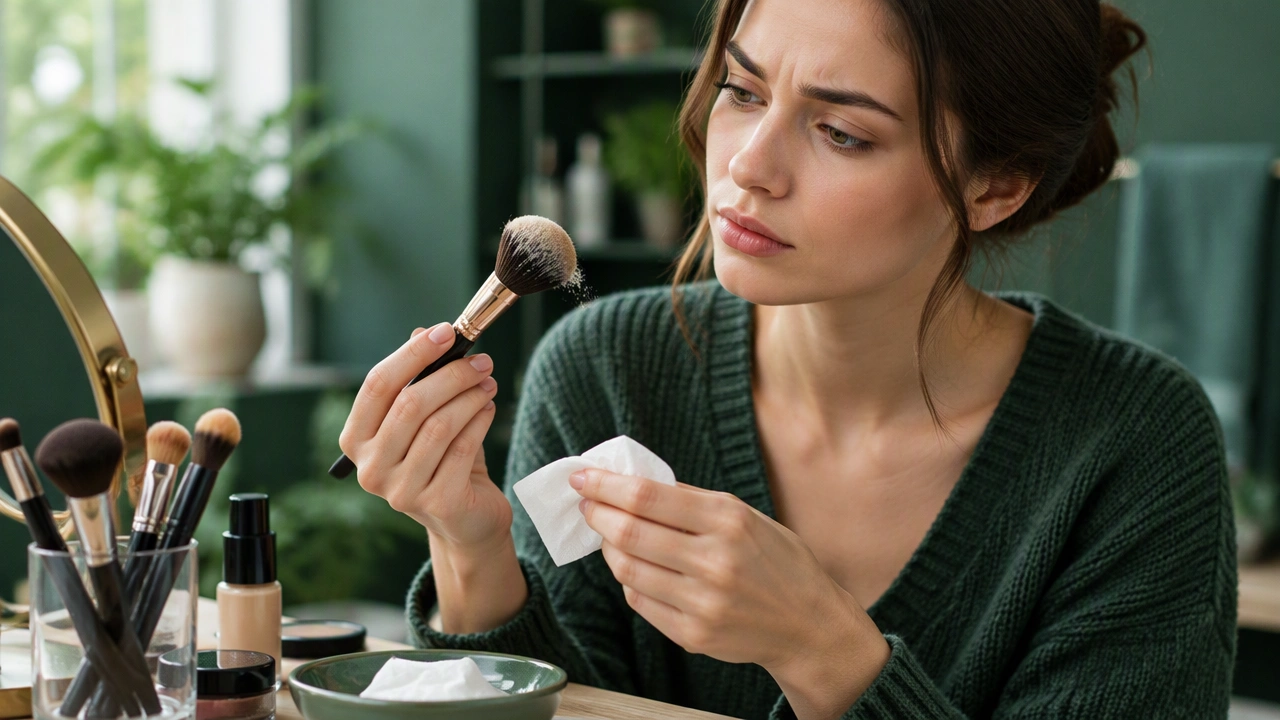
Good beauty craft is about more than color and technique. It is also about keeping the products and tools that touch your face clean, fresh, and safe. Many skin problems linked to makeup are not caused by the makeup itself, but by the way it is stored, shared, or applied. The good news is that a few calm, consistent habits can lower the risk of breakouts, irritation, and infections without complicating your routine.
Why makeup hygiene matters
Makeup can pick up oil, dead skin, dust, and bacteria from your skin, brushes, and storage areas. Once a product is opened, air and fingers introduce more microbes. Mascara wands and lip products are especially easy to contaminate because they touch mucous membranes or move between areas of the face. When residue builds up on applicators, it can clog pores, transfer germs, or make products less effective.
Skin also changes with the seasons, stress, hormones, and skincare treatments. A routine that once felt fine may become irritating when your skin barrier is drier or more sensitive. Paying attention to hygiene helps you separate a product problem from a cleanliness problem, so you can respond with the right fix.
Common makeup hygiene mistakes to avoid
Using dirty brushes and sponges
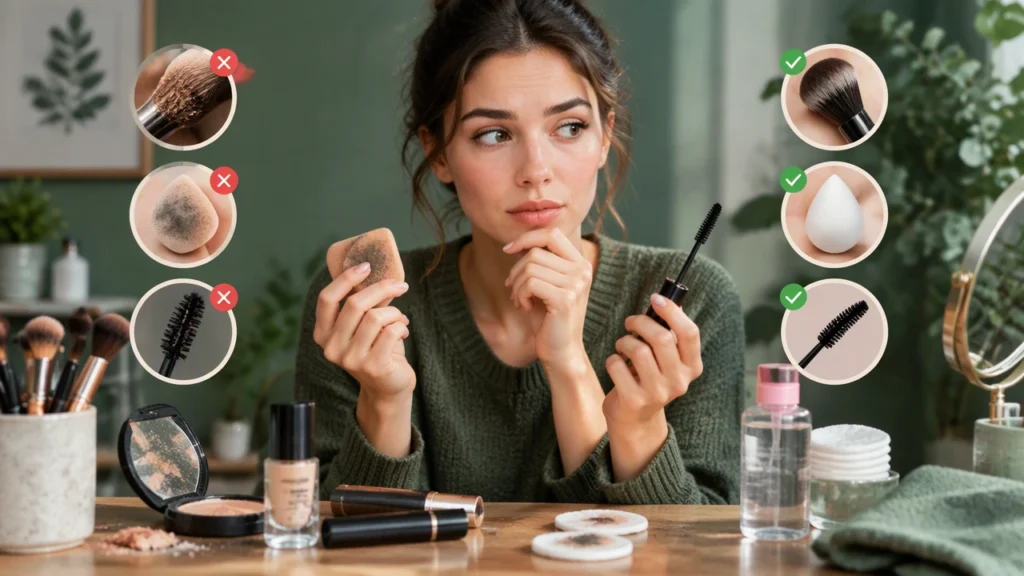
Foundation brushes, powder brushes, and beauty sponges collect product and skin cells with every use. If they stay damp, they become comfortable places for microbes to grow. A sponge that smells stale or feels clammy should be washed before the next application.
How to avoid it: Wash bristle brushes at least once a week if you wear makeup often, and rinse sponges after each use. Use a gentle brush cleanser or a small amount of mild shampoo, then rinse until the water runs clear. Squeeze out excess water and let everything dry flat in a well-ventilated area. Never put a wet sponge back into a closed pouch.
Sharing makeup or applicators
Sharing lipstick, mascara, or a lip pencil may seem harmless, but it can transfer bacteria and viruses between people. Even a clean-looking pencil can pick up organisms from lips or skin.
How to avoid it: Keep personal products personal. If you need to share a palette, use a disposable cotton swab or a clean spatula to lift product, and never return a used wand to the container. Label your products if you live with family or work in a shared space.
Touching the applicator tip with fingers
Pressing a finger onto a cream blush, concealer, or gel liner introduces oils and microbes directly into the product. The surface may look smooth while the inner layers become contaminated.
How to avoid it: Use a clean tool or a freshly washed fingertip, and close the container immediately after use. For pots and jars, consider decanting a small amount onto a palette instead of repeatedly dipping into the main container.
Applying makeup over dirty or sweaty skin
Foundation applied to sweat, sunscreen residue, or unwashed skin can trap debris against the face. This increases the chance of clogged pores and irritation, especially around the hairline and jaw.
How to avoid it: Cleanse gently before makeup and allow skincare to absorb. If you exercise or become sweaty during the day, remove makeup, rinse, and reapply rather than layering fresh product over stale residue.
Ignoring expiration dates
Products do not last forever. Liquid foundation, concealer, mascara, and eyeliner should be replaced more frequently than powders. A strange smell, change in texture, separation, or unusual color is a sign to stop using a product, even if the date is not visible.
How to avoid it: Write the opening date on the package with a permanent marker. Replace mascara every three months, and replace eyeliner and liquid products sooner if they dry out or smell off. Powder products can usually last longer when stored dry and closed.
Storing makeup in hot or humid places
Heat and humidity can break down formulas, melt products, and encourage microbial growth. A bathroom cabinet above a steamy shower is not ideal for long-term storage.
How to avoid it: Keep products in a cool, dry drawer or box away from direct sunlight. Wipe containers with a clean tissue before closing them, and avoid leaving makeup in a hot car or near a window.
Removing eye makeup roughly
Rubbing the lash line aggressively can irritate the delicate skin around the eyes and push mascara particles toward the waterline. This may cause redness, itching, or inflammation.
How to avoid it: Hold a soaked cotton pad against the lashes for several seconds, then wipe gently downward. Use a separate pad for each eye and avoid sharing eye makeup with others.
Skipping hand hygiene
Hands touch phones, doorknobs, and surfaces throughout the day. Applying makeup with unwashed hands transfers those germs to your face and product packaging.
How to avoid it: Wash your hands before your routine, especially before contact lenses, eye makeup, or any broken skin. Keep a small hand sanitizer near your vanity for times when soap and water are not available.
A simple routine for safer makeup use
- Clean first: Wash your face and hands, then use clean tools.
- Close quickly: Cap products as soon as you finish, and do not leave lids off while doing the rest of your face.
- Store carefully: Use a dry, ventilated makeup bag and avoid overcrowding containers.
- Wash regularly: Follow a realistic schedule for brushes, sponges, and cloths.
- Retire old products: Replace anything expired, dried out, or unusually scented.
- Listen to your skin: If a product stings, itches, or causes persistent redness, stop using it and seek professional advice if symptoms continue.
When to see a professional
Persistent acne-like bumps, swelling, eye redness, discharge, or pain should not be managed by simply switching products. A dermatologist or other qualified healthcare professional can identify whether the cause is an infection, allergy, contact dermatitis, or another condition. Bring a list of the products and tools you use, including how often you clean them, to help with the assessment.
Final thought
Makeup should support your confidence, not work against your skin. By avoiding the most common makeup hygiene mistakes to avoid, you protect both your complexion and the quality of the products you enjoy. Small habits, repeated consistently, are the foundation of a safer and more comfortable beauty routine.